
Ultimate Selection of Concrete Leveling Equipment for Professionals
Find the essential tools and products trusted by experts to achieve precise and durable concrete leveling results.
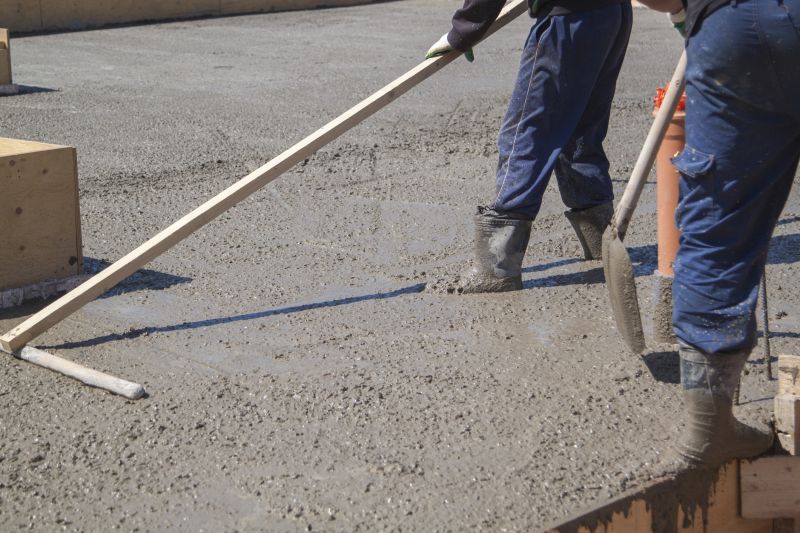 Concrete leveling is an essential process for maintaining the safety, appearance, and functionality of concrete surfaces around residential and commercial properties. Over time, concrete slabs can settle, crack, or develop uneven spots due to soil movement, moisture changes, or general wear and tear. Proper leveling products can help restore these surfaces to a more even and stable state without the need for complete replacement. The variety of products available caters to different types of concrete issues, from minor surface unevenness to significant settling problems.
Top Overall Option
Polyurethane Foam Injection System
A versatile and minimally invasive solution, polyurethane foam injection systems are designed to lift and stabilize uneven concrete slabs efficiently. They expand upon application to fill voids and lift settled areas, providing a quick and clean repair method suitable for various concrete issues. These systems are appreciated for their quick curing times and ability to access hard-to-reach areas, making them a popular choice for many leveling projects.
Types of Products For Concrete Levelings
Polyurethane Foam Kits
Used for lifting and stabilizing slabs with minimal disturbance, these kits are popular for residential and small commercial repairs.
Cement-Based Patch Compounds
Ideal for filling cracks and smoothing surface imperfections, suitable for minor repairs.
Self-Leveling Overlays
Designed to create a smooth, level surface over uneven concrete, often used in interior applications.
Mudjacking Equipment
Utilizes a slurry mixture to lift and level slabs, often used for larger areas with significant settling.
Polyurea Injection Systems
Similar to polyurethane foam but with faster curing times and increased durability, suitable for various leveling needs.
Hydraulic Jacking Tools
Manual or powered jacks used to lift slabs prior to applying leveling compounds or foam.
Crack Repair Sealants
Flexible sealants for sealing cracks and preventing water infiltration, often used in conjunction with other leveling products.
Epoxy Resin Kits
Used for filling deep cracks or structural repairs, providing added strength and stability.
Polymer Modified Concrete Mixes
Enhanced mixes for patching and leveling that improve adhesion and durability.
Vibratory Compactors
Equipment used to compact underlying soil before applying leveling products for added stability.
Surface Preparation Tools
Tools such as grinders and shot blasters used to prepare the surface for optimal adhesion of leveling compounds.
Waterproofing Sealants
Applied after leveling to protect against moisture infiltration and prolong surface lifespan.
Polyurethane Foam Gun
A specialized applicator for precise application of foam in leveling projects.
Injection Ports and Accessories
Components used to facilitate foam or resin injection during leveling procedures.
Leveling Screeds
Tools used to screed and smooth freshly applied overlays or patches.
Popular Choices
Widely used for their ease of application and quick results, these kits are favored for residential concrete repairs.
A common method for larger or more significant settling issues, providing a cost-effective alternative to replacement.
Popular for interior flooring applications where a smooth, flat surface is desired.
Frequently used to prevent water ingress and further deterioration, especially in outdoor concrete surfaces.
Chosen for their durability and fast curing, suitable for various leveling scenarios.
Often employed in conjunction with foam or slurry methods to lift slabs before leveling.
Used for structural crack repairs and filling deep voids, providing additional stability.
Essential for ensuring proper adhesion of leveling products, especially in older or rough surfaces.
Applied after leveling to protect surfaces from moisture damage and extend lifespan.
Used to prepare soil or base layers before applying leveling products, ensuring stability.
When considering products for concrete leveling, it's important to understand the different methods and materials used in the industry. Some solutions involve polyurethane foam injections that lift and stabilize slabs with minimal disturbance. Others include cement-based compounds or self-leveling overlays designed to fill cracks and smooth uneven surfaces. Selecting the right product depends on the specific condition of the concrete, the extent of the problem, and the desired longevity of the repair.
Proper application and the right product choice can extend the lifespan of concrete surfaces, improve safety by reducing trip hazards, and enhance curb appeal. Whether you're a homeowner looking to fix a driveway or a contractor working on larger commercial projects, understanding the options available can help you make informed decisions. Always consider the manufacturer's instructions and seek professional advice if unsure about the appropriate product for your specific needs.
In Overland Park, KS, where seasonal weather fluctuations can impact soil stability and concrete integrity, choosing the right leveling solution is particularly important. Investing in quality products and proper application techniques can ensure durable results, helping property owners maintain their surfaces effectively over time.
Key Buying Considerations
- Assess the extent and type of concrete damage or settling to determine the appropriate product.
- Consider whether a minimally invasive solution like foam injection suits your needs or if a slurry method is required.
- Check the curing time and whether the product allows for quick use of the area after application.
- Evaluate the compatibility of the product with existing surfaces and materials.
- Determine the level of load-bearing capacity needed for the repaired surface.
- Review the manufacturer's instructions for surface preparation and application procedures.
- Consider the environmental conditions, such as moisture or temperature, that may affect curing and performance.
- Look into the longevity and durability of the product to ensure it meets your maintenance expectations.
- Ensure safety and proper handling procedures are followed during application.
- Think about the size of the area to be repaired to select appropriately scaled products or equipment.
- Assess the skill level required for application—some products may require professional expertise.
- Review warranty or support options offered by the manufacturer.
- Compare costs versus expected results to find a solution that fits your budget.
- Check for compatibility with other repair or finishing products you plan to use.
- Verify availability of accessories or replacement parts for the products you select.